A comparitive look at blood culture contamination rates in formally trained nurses and healthcare personnel versus those who have had no formal training. BY: Angela Campbell, Meagan Morin, and Amanda Tyus
Why does this effect our practice? Blood culture contamination takes place everyday in our healthcare institution. It has a great impact on costs, patient turnover, and even patient outcomes. With the increasing costs of healthcare and financial decline of the economy it is our responsability to cut costs and prevent losses for the patient and the facility. Implementation strategies & further research needed: Classes should be given on proper blood culture collection for new and current employees. Staff should consistently follow Baylor's blood culture collection protocal, which can be found in Baylor All Saints Medical Centers Pathology Lab.There also needs to be a clear standard set for contamination rates to ensure that there is compliance among staff members. Further research is needed on what organisms are causing contamination. |
What the research says: Findings show that with proper training of the correct way to collect blood cultures, contamination rates can be greatly reduced. This will greatly decrease the costs to the patients as well as to the institution. Proper technique can also decrease the length of stay for those patients that are affected by contaminated cultures. 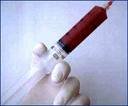 BHCS Professional Practice Model: As nurses we are held accountable for being our patients advocates. Taking a class to properly learn how to obtain blood cultures will ensure our patients are recieving the best care. Collecting cultures properly will also ensure optimal patient outcomes by enabling the correct course of action for the patient's plan of care.  References:
1.) Bekeris, L.G., Tworek, J.A., Walsh, M.K., Valenstein, P.N. (2005). Trends in Blood Culture Contamination. Arch Pathol Lab Med, 129, 1222-1225.
3.) Hall, K.K., Lymann, J.A. (2006). Updated Review of Blood Culture Contamination.Clinical Microbiology Reviews, 19 (4), 788-799.
4.) Qamruddin, A., Khanna, N., Orr, D. (2008). Peripheral Blood Culture Contamination in Adults and Venipuncture Technique: Prospective Cohort Study. Journal of Clinical Microbiology, 61, 509-513.
  |
 Clinical Question: